17 Mar, 2025
Zero Waste Pakistan: How Scrap Recycling is Driving Sustainability
♻️ What is Zero Waste?
The Zero Waste concept is simple:
✅ Reduce waste at the source
✅ Reuse materials instead of discarding them
✅ Recycle scrap and waste into new products
A Zero Waste Pakistan would mean that most of the waste generated is either reused or recycled, reducing the need for landfills and minimizing pollution.
📌 Pakistan’s Waste Problem: The Need for Recycling
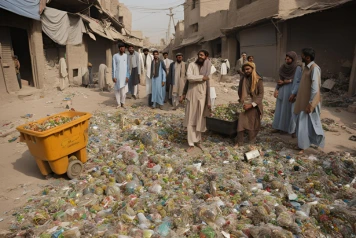
Pakistan generates around 3.9 million tons of plastic waste annually, with only a small fraction being recycled. Other waste materials, including metal scrap, paper, glass, and electronic waste, often end up in landfills or pollute rivers and cities.
Major Waste Issues in Pakistan:
🚨 Lack of Recycling Facilities – Many cities lack proper waste collection and recycling plants.
🚨 Plastic Pollution – Pakistan ranks among the top contributors to plastic waste in the world.
🚨 Toxic E-Waste Dumping – Old electronics (phones, computers, TVs) are often discarded improperly, releasing harmful chemicals into the environment.
🚨 Informal Waste Collection – Most waste is collected by informal scavengers, with no structured recycling system in place.
This is where scrap recycling comes into play as a key solution for sustainability.
🔄 How Scrap Recycling is Helping Pakistan Go Zero Waste
1️⃣ Metal Scrap Recycling: Reducing Industrial Waste
Metal scrap from old vehicles, construction sites, and factories can be recycled into new products, reducing the need for mining natural resources.
✅ Aluminum and steel recycling saves energy and reduces carbon emissions.
✅ Copper and brass recycling help in the manufacturing of electrical wiring and plumbing materials.
✅ Old machinery parts can be refurbished instead of discarded.
💡 Example: Recycling aluminum saves up to 95% energy compared to producing new aluminum from raw materials!
2️⃣ E-Waste Recycling: Giving Old Gadgets a Second Life
Electronic waste (e-waste) is one of the fastest-growing waste problems in Pakistan. Smartphones, laptops, TVs, and batteries contain valuable materials like gold, silver, and copper, which can be extracted and reused.
✅ Reduces toxic pollution from lead, mercury, and other hazardous materials.
✅ Conserves rare metals that are difficult to mine.
✅ Creates job opportunities in the recycling sector.
💡 Example: Companies like EcoPak and Green Earth Recycling are leading Pakistan’s e-waste recycling movement!
3️⃣ Plastic Recycling: Combating the Plastic Crisis
With plastic bags and bottles clogging rivers and streets, plastic recycling is a crucial step toward Zero Waste Pakistan.
✅ PET bottle recycling turns used bottles into new plastic products.
✅ Recycled plastic can be used to make furniture, clothing, and even roads.
✅ Reduces landfill waste and protects marine life from plastic pollution.
💡 Example: Pakistan has recently introduced plastic roads in cities like Islamabad, using recycled plastic in road construction!
4️⃣ Paper & Cardboard Recycling: Saving Trees
The paper industry contributes to deforestation and water consumption, but recycling paper can help:
✅ Reduce tree-cutting and save natural forests.
✅ Lower water and energy usage in paper production.
✅ Turn old newspapers, books, and cartons into new paper products.
💡 Example: Schools and businesses can implement paper recycling programs to cut waste!
🌱 Benefits of Scrap Recycling for a Sustainable Pakistan
✔ Reduces Environmental Pollution – Less waste in landfills and cleaner streets.
✔ Saves Natural Resources – Less need for raw materials like metals, oil, and trees.
✔ Creates Green Jobs – More employment in the recycling industry.
✔ Supports the Circular Economy – Waste materials are continuously reused, reducing dependency on new resources.
✔ Encourages a Sustainable Mindset – People and businesses become more responsible with waste management.
🚀 How You Can Contribute to Zero Waste Pakistan
🌿 Segregate Your Waste – Keep recyclables separate from organic waste.
🔄 Sell Scrap to Recycling Centers – Many companies buy metal, plastic, and electronic scrap.
♻ Use Recycled Products – Support brands that use sustainable materials.
🏭 Encourage Businesses to Go Green – Companies can implement waste management strategies.
💡 Spread Awareness – Educate friends and family about the importance of recycling.